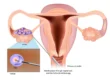
Women’s health services address medical needs that change across age, hormones, and life stages. They include routine exams, reproductive care, and specialists who track patterns over time. As symptoms can overlap, these visits help sort common issues from serious disease. This is how these services support diagnosis, early detection, symptom management, and cancer screening:
Detecting Issues Early
Early detection changes medical decisions, and it can expand the range of treatment choices. Blood pressure checks, pelvic exams, and lab tests reveal problems before daily life is affected. When the disease is found early, monitoring tends to be more direct. That timing supports faster follow-up.
Many disorders start with mild signs. You may notice:
- Irregular periods
- Increased pelvic pressure
- New discharge
If those signs are tracked and discussed early through women’s health services, they may be less likely to be dismissed. A timely visit gives the provider a better view of what is changing.
Diagnosing Conditions
Women often report fatigue, pain, or cycle changes. These symptoms may look minor, but they can point to thyroid disease, anemia, endometriosis, or polycystic ovary syndrome. When a clinician reviews history, symptoms, and test results together, the cause becomes easier to identify. Accurate diagnosis guides the next step and reduces guesswork.
Some conditions develop slowly, and symptoms shift over months or years. A general exam gives useful data, but women’s health visits focus on patterns linked to hormones and reproductive organs. When pain follows a monthly pattern, that timing offers a strong clue. Providers may use pelvic exams, lab work, or imaging to narrow the cause.
Diagnosis also depends on what gets discussed during the visit. Many people downplay symptoms, and short descriptions may hide the full problem. If bleeding lasts longer than usual, that detail changes the clinical picture. Clear reporting helps the provider match symptoms to the right tests.
Managing Symptoms
Symptoms affect work, sleep, and daily routines, but they do not all come from the same cause. Women’s health services help sort short-term discomfort from ongoing disorders. When treatment matches the source, symptom control becomes more precise. This process typically involves medication, lifestyle changes, or referral.
Pain, heavy bleeding, hot flashes, and mood shifts typically need more than a single answer. One plan may include:
- Symptom tracking
- Medication review
- Visits
Since symptoms change with age, treatment plans may need adjustment. Regular review helps keep care aligned with current needs.
Symptom management also helps prevent repeated self-treatment. Many people use over-the-counter products first, and some delay care for too long. When symptoms return each month, that pattern suggests a deeper issue. A provider can assess frequency, severity, and triggers in a structured way.
Screening for Cancer
Cancer screening looks for disease before symptoms appear, and that timing affects next steps. Women’s health services include cervical cancer screening and breast exam guidance. When screening follows age and risk factors, it becomes more useful. Abnormal findings still need more testing, but early review narrows delays.
Screening schedules differ by personal history, family history, and prior results. A single normal test is helpful, but ongoing screening gives a fuller picture over time. If a result changes, providers compare it with past records. That comparison helps identify trends that one visit might miss.
Find Women’s Health Services
Women’s health services support diagnosis, early detection, symptom management, and cancer screening. These visits track changes over time, and they help connect symptoms with the right evaluation. When you need routine care or follow-up, local women’s health providers offer a clear place to start. Schedule an appointment today to review symptoms, update screenings, and discuss your next care steps.