Regular eye exams help protect vision and support long-term eye health. These appointments do more than update prescriptions by screening for conditions such as glaucoma, macular degeneration, and diabetic eye disease. The recommended exam schedule depends on factors like age and individual vision needs. Here is more information on how often you should get an eye exam:
Children’s Eye Exam Schedule
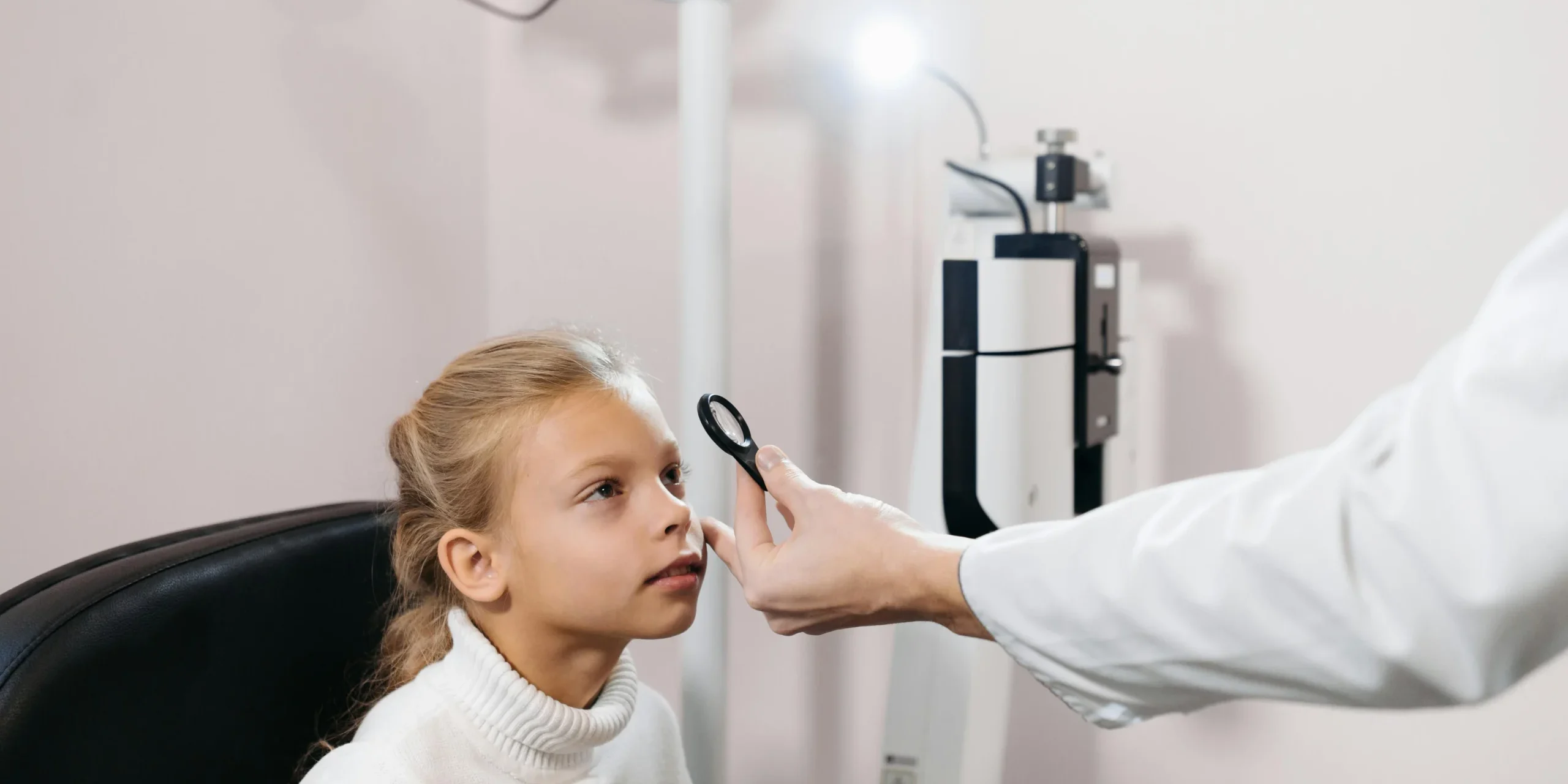
Children’s vision develops quickly, making regular eye exams a part of monitoring visual health. Early exams help identify vision concerns that may affect learning, development, and daily activities. Eye care providers recommend exams during infancy, preschool years, and before children begin school.
After starting school, children without vision concerns may need exams every two years. Children who wear glasses or contact lenses often require yearly visits to monitor prescription changes. Regular pediatric eye care helps providers track vision development and address changes as children grow.
Adult Eye Exam Schedule
Adults between ages 18 and 64 without vision concerns or eye disease risk factors often benefit from comprehensive exams every two years. Regular exams help providers monitor changes and evaluate overall eye health. Adults who wear glasses or contact lenses may need yearly visits to update prescriptions and track vision changes.
Some adults require more frequent exams based on their health history and risk factors. A family history of glaucoma or a diabetes diagnosis may increase the need for annual evaluations. Eye care providers recommend personalized exam schedules based on each patient’s individual needs.
Diabetes can increase the risk of diabetic retinopathy, which affects the blood vessels in the retina. Annual dilated eye exams help providers identify early retinal changes and monitor eye health. Routine screenings allow for timely evaluation and ongoing vision care.
Eye Exam Risk Factors
Adults ages 65 and older typically benefit from annual eye exams to monitor age-related vision changes. Conditions such as cataracts, macular degeneration, glaucoma, and presbyopia become more common with age and may develop without noticeable symptoms. Regular visits allow eye care providers to track changes, update prescriptions, and address concerns that are able to affect daily activities like reading or computer use.
Eye Exam Scheduling
Certain health conditions, family history, and lifestyle factors are able to require more frequent eye exams. Even without noticeable vision changes, regular monitoring can help providers evaluate eye health and identify concerns. Factors that often affect your recommended schedule include:
- Diabetes or hypertension: Increases the need for monitoring because these conditions can affect eye health.
- Family history of eye disease: Raises the risk of conditions such as glaucoma, macular degeneration, or retinal concerns.
- Corrective lens use: Requires regular prescription updates for glasses or contact lenses.
- High screen time: May contribute to eye discomfort and benefit from ongoing vision evaluations.
Patients with these risk factors should discuss their needs with an eye care provider. A personalized exam schedule helps address individual health concerns and supports ongoing vision care.
Schedule Your Eye Exams
Eye exam schedules vary based on age, health history, and individual risk factors. Regular eye exams help monitor vision changes and support long-term eye health. Waiting until symptoms appear may delay the identification of certain concerns. Schedule a comprehensive eye exam today to evaluate your vision needs and support your eye health.