Glaucoma is a group of eye conditions that damage the optic nerve, and this is often due to elevated eye pressure. While the condition is serious, treatment options can slow or prevent vision loss if addressed early, making timely intervention valuable. Here is more information on this condition and what to do after a diagnosis:
What Is Glaucoma?
Glaucoma is a group of eye conditions that damage the optic nerve. This nerve transmits visual information from the eye to the brain, and when it deteriorates, vision loss follows. Early-stage glaucoma often produces no noticeable symptoms, so some people remain unaware of the condition until significant damage has already occurred.
Open-angle glaucoma is the most common form, and it may develop slowly over time. Angle-closure glaucoma is less common. While both types differ in their progression and onset, they share similar optic nerve deterioration that may lead to permanent vision loss.
What Causes It?
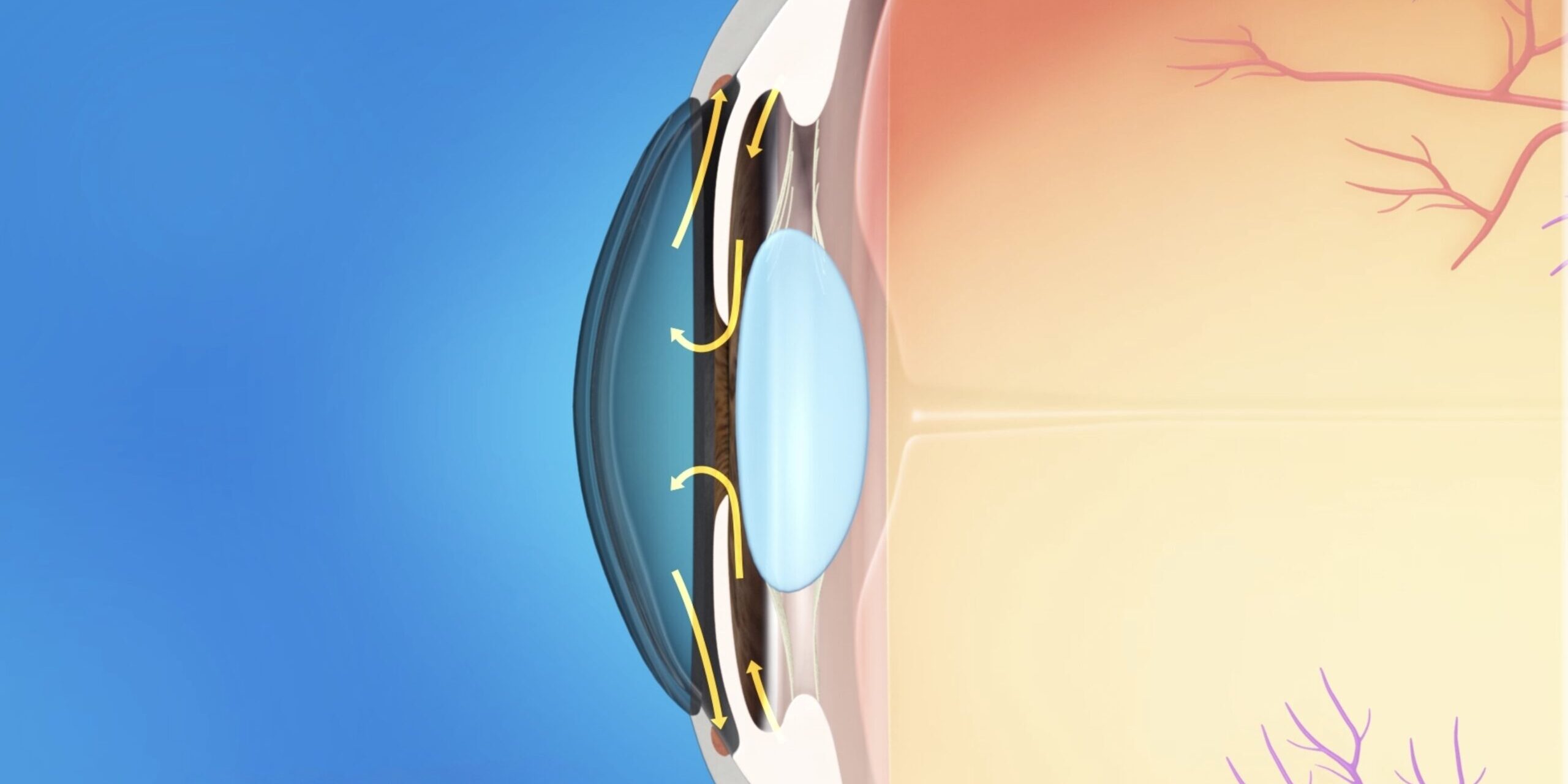
Glaucoma most commonly develops when intraocular pressure (IOP) rises to a level that damages the optic nerve. The eye continuously produces a fluid called aqueous humor, which drains through a tissue known as the trabecular meshwork. When this drainage system becomes blocked or less efficient, pressure builds within the eye, and nerve damage follows.
Not all glaucoma stems from elevated eye pressure; normal-tension glaucoma occurs when optic nerve damage develops despite IOP remaining within standard ranges. Several risk factors increase the likelihood of developing glaucoma, including:
- A family history of glaucoma
- High intraocular pressure
- Certain medical conditions, such as diabetes or high blood pressure
What Does a Diagnosis Involve?
Diagnosing glaucoma typically requires a comprehensive eye examination conducted by an eye care professional. The examination includes tonometry, which measures intraocular pressure. Additional imaging may be used to capture detailed cross-sectional images of the optic nerve and retina, and a confirmed diagnosis is typically based on a combination of elevated IOP readings, optic nerve changes, and visual field loss.
What Can Be Done After?
Following a glaucoma diagnosis, patients are advised to take a structured approach to managing the condition and preserving remaining vision. An eye care professional will typically recommend an initial treatment plan. A standard recommendation involves eye drops, which are designed to reduce intraocular pressure. Consistent adherence to the prescribed schedule helps slow optic nerve damage, and patients should communicate any difficulties with their regimen to their clinician.
Ongoing monitoring is valuable. Follow-up appointments allow the eye doctor to assess disease progression, and they may include repeat measurements, imaging, and testing. The frequency of these appointments will depend on the severity of the condition and how well IOP is being controlled, so patients should consult their clinician to establish an appropriate schedule.
Certain lifestyle factors may influence overall eye health. Patients may be advised to avoid activities that elevate IOP, and they should maintain a healthy weight. Any medications that affect eye pressure should also be discussed with a doctor, as some treatments for unrelated conditions can inadvertently worsen glaucoma symptoms. If initial treatments prove insufficient, patients should discuss further options with their eye doctor..
Seek Professional Guidance Now
Glaucoma is a manageable condition when addressed through a structured, evidence-based treatment plan. By understanding the condition, its causes, and the diagnostic and treatment processes involved, you are better positioned to make informed decisions about your care. Vision loss from glaucoma cannot be reversed, but further loss may be prevented with timely intervention. Consult with an eye care professional as soon as possible after your diagnosis.