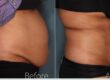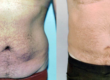
Obesity is a complex medical condition, and medical professionals can help patients find effective management strategies for their weight. Because patients may face many physical challenges with obesity and weight loss, healthcare providers prescribe weight loss drugs in some cases. Here is more information about obesity and tirzepatide’s effects on weight loss efforts:
Understanding Obesity
Medical professionals classify obesity using body mass index. A patient receives this diagnosis when their BMI exceeds 30, and this condition may carry health risks. It increases the risk of heart disease, and it elevates blood pressure. Because excess weight can strain the cardiovascular system, doctors recommend losing excess weight. Patients seek effective treatments to reduce these risks, and tirzepatide is one pharmacological solution that can help individuals reduce their weight and BMI.
Examining Tirzepatide
Tirzepatide is a glucagon-like peptide-1, or GLP-1, receptor agonist. The medication mimics natural hormones, and this action regulates appetite and blood sugar levels. When the drug enters the system, patients feel fuller faster and for longer, leading them to eat less.
The dual action targets multiple metabolic pathways. This process promotes significant weight reduction in many patients, and it improves glycemic control. As the medication slows gastric emptying, it also helps stabilize blood sugar throughout the day, helping patients avoid sugar crashes in the afternoon.
Comparing Semaglutide
Semaglutide only targets the GLP-1 receptor. Tirzepatide activates both GIP and GLP-1 receptors, and this dual action produces stronger metabolic responses. While both medications suppress appetite effectively, the dual mechanism may provide an advantage in weight loss results.
Here are some potential positive effects of tirzepatide:
- Enhances insulin sensitivity, leading to more efficient blood sugar regulation.
- Improves cardiovascular markers, potentially reducing the risk of heart disease.
- Decreases inflammation linked to metabolic disorders, potentially improving overall metabolic health.
Your healthcare provider can help you determine which weight loss drug is a good fit for your case. Tirzepatide may cause some side effects like nausea, but these are typically mild and resolve on their own within a short time. Some side effects require medical attention. Contact your provider if you experience severe symptoms or fever.
Changing Habits
Weight loss medications require supportive habits for long-term success. Patients adopt new routines, and these habits maximize the treatment benefits. Because lifestyle factors influence metabolic health, doctors recommend the following behavioral modifications:
- Eating a balanced diet with adequate protein.
- Engaging in regular cardiovascular exercise.
- Maintaining consistent sleep schedules.
These habits build a foundation for sustained health. The medication acts as a tool, and your daily choices can amplify the results. When you combine tirzepatide with healthy lifestyle habits, you may achieve more sustainable and long-lasting results.
Learn More About Tirzepatide
Medical interventions provide robust support for obesity management. The dual-action mechanism of the drug tirzepatide helps regulate appetite, and patients achieve better metabolic control. Although medicine helps, lifestyle modifications remain a foundational element of the effort to lose weight. The process requires dedication, and professional guidance makes a difference. If you are interested in learning more about tirzepatide and its benefits for weight loss, consult a medical weight loss professional near you.