Cardiology emergencies, such as heart attacks, cardiac arrest, and severe rhythm disturbances, require immediate attention to reduce the risk of serious complications. Recognizing warning signs and knowing how to respond can support faster access to lifesaving care. Here is what you should know about cardiology emergencies for quick action:
Recognizing Warning Signs
The body often sends signals before a cardiac event fully unfolds, and learning to recognize them helps you respond faster. Some signs appear suddenly, while others build gradually over time. The following are some common cardiology warning signs:
- Chest discomfort: Pressure, tightness, or squeezing in the center of the chest often signals a heart problem.
- Shortness of breath: Trouble breathing can appear with or without chest pain.
- Pain spreading to other areas: Discomfort may travel to the arms, jaw, neck, or back, which people sometimes mistake for muscle strain.
- Lightheadedness or fainting: A sudden loss of balance or consciousness often points to an irregular heartbeat or reduced blood flow.
- Cold sweat and nausea: These symptoms often accompany other warning signs, though they may seem unrelated at first.
Responding Before Help Arrives
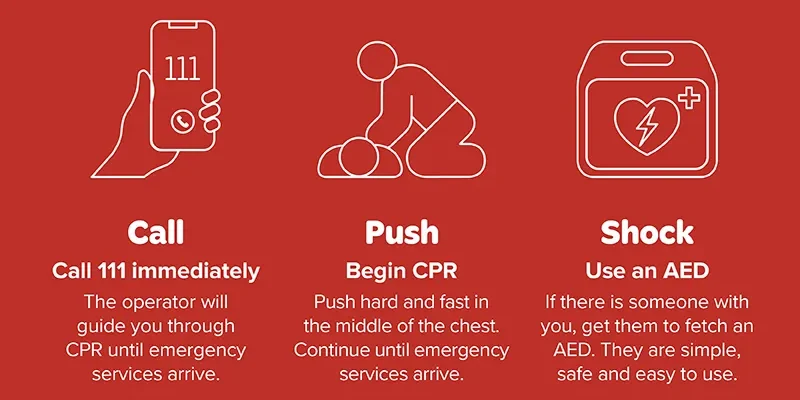
Fast action during a suspected cardiac emergency can influence the outcome, and knowing the basic steps can help you avoid freezing up. Call emergency services first, then describe the symptoms clearly so responders arrive prepared. While you wait, help the person sit or lie in a comfortable position, and loosen any tight clothing around the chest or neck. Stay with them and monitor their breathing, because their condition may change quickly.
If the person becomes unresponsive and stops breathing normally, CPR can support blood flow until professionals take over. Some public spaces now hold automated external defibrillators; these devices guide you through each step with voice prompts. These measures buy valuable time, though they do not replace professional treatment.
Understanding Emergency Cardiology Care
Once you reach a hospital, the cardiology team moves through a structured process designed to stabilize the heart. They assess symptoms, review history, and run tests that reveal what is happening inside the body. The two stages below show how this care typically unfolds, though each case has its own approach.
Assessment and Diagnosis
Doctors begin by gathering key information, and they often start an electrocardiogram within minutes of your arrival. This test records the heart’s electrical activity, which helps the team identify irregular rhythms or blocked blood flow. Blood tests measure specific markers that indicate heart damage, and imaging scans add further detail. These tools give the team a clear picture so they can plan the next step.
Treatment and Stabilization
After diagnosis, the cardiology team focuses on restoring normal function and preventing further harm. Treatments may include medication, procedures to open blocked arteries, or devices that steady the heartbeat. The team monitors vital signs closely, and they adjust care as the patient’s condition responds.
Reducing Future Cardiac Risks
Recovering from a cardiac event often marks the start of ongoing cardiology care. A balanced diet, regular movement, and regular sleep support the heart, while smoking and excess alcohol work against it. Manage conditions like high blood pressure and diabetes closely, because they place added strain on the cardiovascular system. Regular checkups form a fundamental part of lowering future risk, and they help the cardiologist track changes over time. Take prescribed medication as directed, and report new symptoms early..
Schedule Your Cardiology Care Appointment
Cardiology emergencies demand quick recognition and clear action. You must know how to recognize warning signs, respond before help arrives, and understand what emergency care involves. Do not wait for symptoms to escalate before seeking professional guidance. Contact a qualified healthcare provider near you to schedule your cardiology care appointment today.