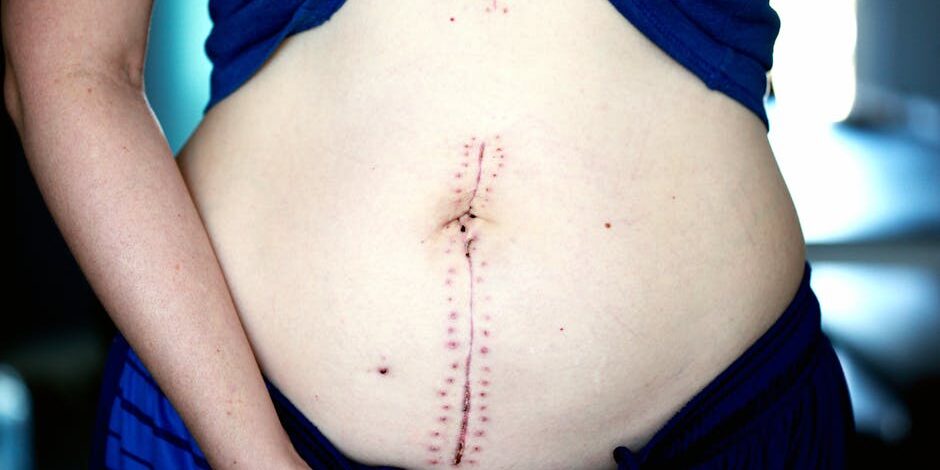
A tummy tuck, or abdominoplasty, is a surgical procedure that removes excess skin from the abdomen and may tighten separated abdominal muscles. Many people pursue this procedure after pregnancy, when the body has gone through significant physical changes. It addresses specific structural concerns that remain after the body has stabilized. Here are some benefits of an abdominoplasty for post-pregnancy bodies:
Repairs Diastasis Recti
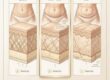
Pregnancy stretches the abdominal wall to accommodate a growing baby. Sometimes this stretching causes the two large vertical muscles in the abdomen to separate, a condition called diastasis recti. The separation may leave a noticeable bulge or weakness in the midsection that exercise alone does not correct. During a tummy tuck, a surgeon stitches these separated muscles back together. This tightens the abdominal wall, and it creates a firmer foundation. The degree of repair depends on the extent of the separation and the surgical approach selected. Your surgeon will examine your abdominal muscles before recommending a treatment plan.
Removes Excess Skin and Fat
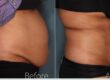
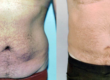
After pregnancy, the skin around the abdomen often remains loose or stretched. An abdominoplasty removes excess skin and some fat to produce a smoother contour. There are two main procedure types:
- Full tummy tuck: This option is ideal if you have significant loose skin and muscle separation both above and below your belly button. Your surgeon makes a longer incision, typically from hip to hip, and often repositions the navel. It provides more comprehensive results by addressing the entire abdominal area.
- Mini tummy tuck: This is a less invasive option for those with excess skin and muscle laxity below the navel. The incision is shorter, similar to a C-section scar, and your navel is usually not moved. This procedure is suitable if your concerns are limited to your lower abdomen.
Your surgeon will discuss which option aligns with your anatomy and goals. Recovery takes time; many patients limit physical activity while their bodies heal. Full results are typically visible one to two months after surgery, once swelling subsides and tissues settle. Future weight changes or pregnancies may stretch the skin and muscles again, which impacts long-term outcomes.
Addresses Scarring
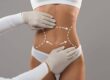
Every surgical procedure leaves a scar, and an abdominoplasty is no exception. The incision is usually placed low on the abdomen, in an area covered by clothing or undergarments. The exact length and position depend on whether you have a full or mini tummy tuck.
In some cases, an abdominoplasty also reduces the appearance of existing scars, such as those from a cesarean section. A surgeon may remove or reposition older scar tissue during the procedure. Scar appearance varies from person to person and changes over time as the skin heals. Following your surgeon’s aftercare instructions supports the healing process and influences how the scar matures.
Schedule a Tummy Tuck
A tummy tuck addresses concerns that often remain after pregnancy, including stretched skin and separated abdominal muscles. The procedure is not a substitute for weight loss, and outcomes differ based on your body and the technique used. During a surgical consultation, you will receive a personalized assessment and a clear explanation of your options. Contact a plastic surgeon today to learn if an abdominoplasty is right for you.